
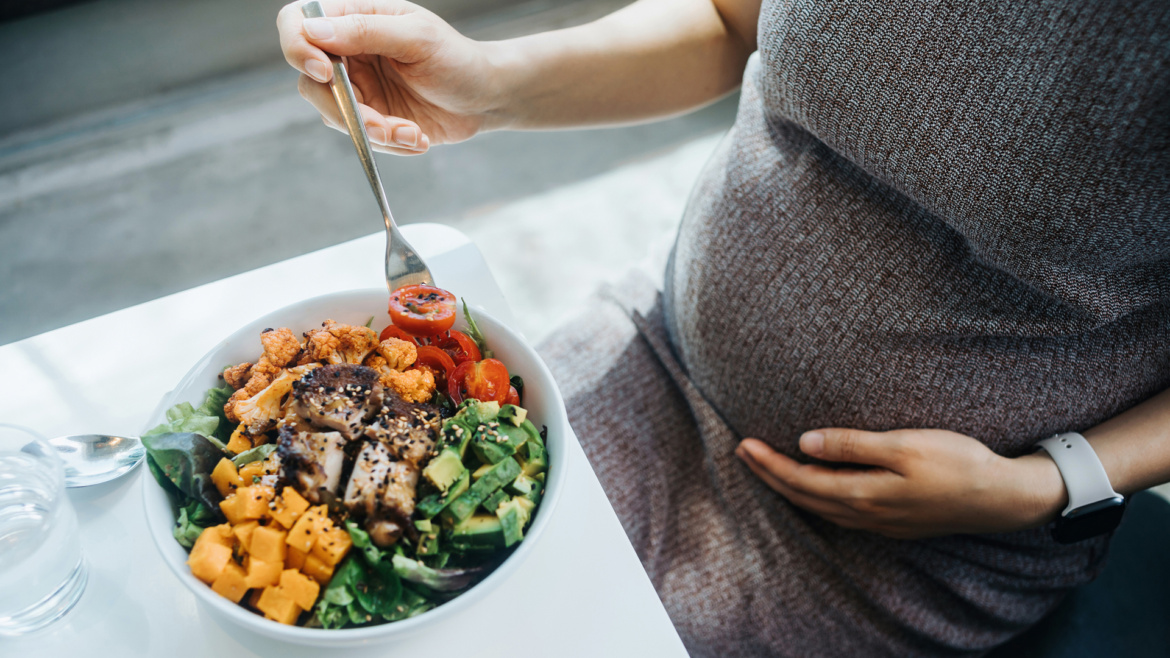
Major medical and nutritional organizations—including the Academy of Nutrition and Dietetics and the American College of Obstetricians and Gynecologists (ACOG)—agree that a well-planned vegan diet is entirely safe and healthy during pregnancy.
Because pregnancy increases your body’s demand for certain vitamins and minerals, eating vegan during this time requires intentional planning. Instead of focusing on what you are cutting out, think of pregnancy nutrition as a checklist of essential elements your baby needs to grow.
The Non-Negotiable Core Nutrients
Some nutrients are difficult or impossible to get in adequate amounts from a plant-based diet alone. You must monitor these closely:
1. Vitamin B12
- Why it matters: Essential for the development of your baby’s brain, nervous system, and red blood cells. Deficiency can cause severe neurological issues in newborns.
- How to get it: Plant foods do not naturally contain B12. You must take a reliable daily prenatal supplement containing B12, or heavily rely on fortified foods like nutritional yeast, fortified plant milks, and cereals.
2. Iron & Vitamin C (The Power Couple)
- Why it matters: Your blood volume increases by roughly 50% during pregnancy, skyrocketing your iron needs to prevent anemia.
- How to get it: Plant-based (non-heme) iron is found in lentils, beans, spinach, tofu, and pumpkin seeds.
- The Absorption Hack: Non-heme iron is harder for the body to absorb. Always pair your iron-rich meals with Vitamin C (bell peppers, citrus, strawberries, or tomatoes), which significantly boosts absorption. Avoid drinking tea or coffee with meals, as tannins block iron absorption.
3. Calcium & Vitamin D
- Why it matters: If you don’t consume enough calcium, your body will literally pull it from your own bones to build your baby’s skeleton. Vitamin D is required for your body to absorb that calcium.
- How to get it: Choose calcium-set tofu, fortified plant milks (check the label to ensure calcium and Vitamin D are added), tahini, kale, and bok choy. Most pregnant individuals require a Vitamin D3 supplement (ensure the supplement label states it is vegan-sourced, as some D3 comes from sheep’s wool).
4. Choline
- Why it matters: Crucial for fetal brain development and preventing neural tube defects. It is often left out of standard prenatal vitamins.
- How to get it: While eggs are a primary omnivore source, vegans can get choline from edamame, broccoli, cauliflower, brussels sprouts, and pinto beans. Check your prenatal vitamin to see if you need an additional supplement.
5. Omega-3 Fatty Acids (DHA/EPA)
- Why it matters: Essential for the structural development of your baby’s brain and eyes.
- How to get it: While walnuts, chia seeds, and ground flaxseeds provide ALA (a short-chain omega-3), the conversion rate to DHA in the body is low. It is highly recommended to take a vegan microalgae-derived DHA/EPA supplement.
Meeting Your Daily Caloric & Protein Goals
You do not need to “eat for two” in the first trimester, but your needs will scale up as the pregnancy progresses:
- 1st Trimester: Baseline calories (focus on nutrient density).
- 2nd Trimester: Roughly +340 extra calories per day.
- 3rd Trimester: Roughly +450 extra calories per day.
Easy Vegan Protein Pairings
Your protein requirement increases by about 25 grams per day during the second and third trimesters. Center every meal and snack around a clean protein source:
- The Quick Meal: Oatmeal made with soy milk, topped with hemp seeds and walnuts.
- The Power Lunch: Quinoa and black bean bowl with avocado and a squeeze of lime juice (adds Vitamin C for the beans).
- The Snacks: Apple slices with peanut butter, roasted chickpeas, or pumpkin seeds.
Managing Nausea and Aversions on a Vegan Diet
First-trimester morning sickness can make the thought of vegetables, beans, or lentils completely unappetizing. If you are struggling to keep food down, survival and hydration come first.
- Lean on Bland Starches: Whole-grain toast, brown rice, oatmeal, or plain baked potatoes with the skin on are easy on the stomach and provide necessary carbohydrates and fiber to prevent pregnancy-related constipation.
- Drink Your Calories: If solid food is a struggle, a smoothie made with a neutral vegan protein powder, fortified almond or soy milk, a banana, and a spoonful of almond butter can sneak in vital nutrients without triggering a gag reflex.
- Cold Foods Over Hot Foods: Hot meals release more aromas, which frequently trigger nausea. Opt for cold pasta salads, chilled fruit, or refrigerated tofu cubes.
Food Safety Risks for Pregnant Vegans
While vegans completely avoid the risks associated with raw fish or deli meats, plant-based diets carry their own unique food safety considerations:
- Wash Produce Ruthlessly: Thoroughly scrub all raw fruits and vegetables, especially leafy greens, to eliminate the risk of Toxoplasma or Listeria from the soil.
- Skip the Raw Sprouts: Avoid raw alfalfa, clover, or radish sprouts. Their warm, humid growing conditions are breeding grounds for Salmonella and E. coli. Always cook them thoroughly if you choose to eat them.
- Check Your Juices: Only consume pasteurized juices or ciders. Unpasteurized “fresh-pressed” juices can carry harmful bacteria.
Action Item: Schedule a blood panel with your OB/GYN or midwife early in your pregnancy to check your baseline levels for iron (ferritin), Vitamin D, and B12. This allows you to tailor your supplement routine to exactly what your body needs.